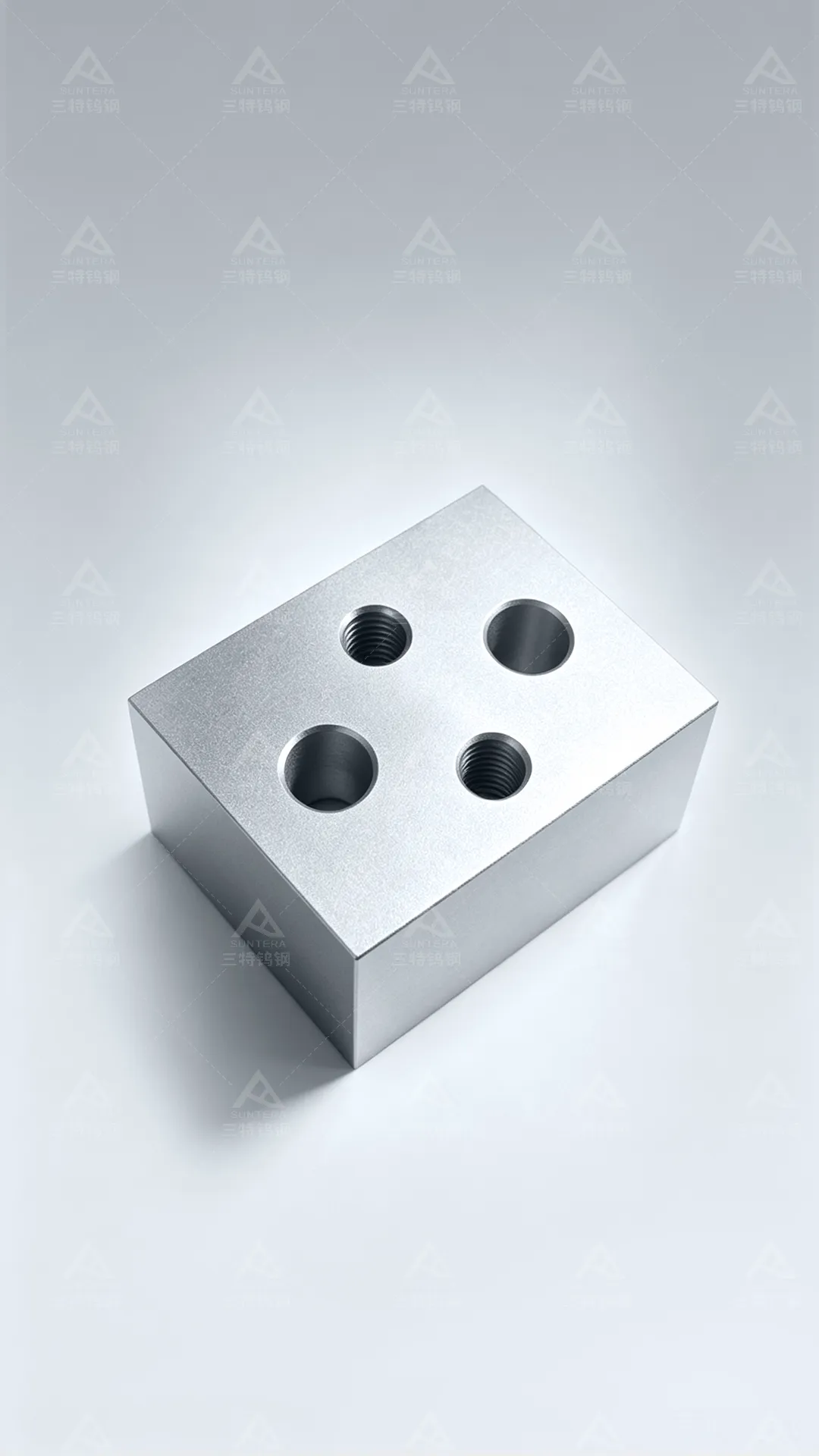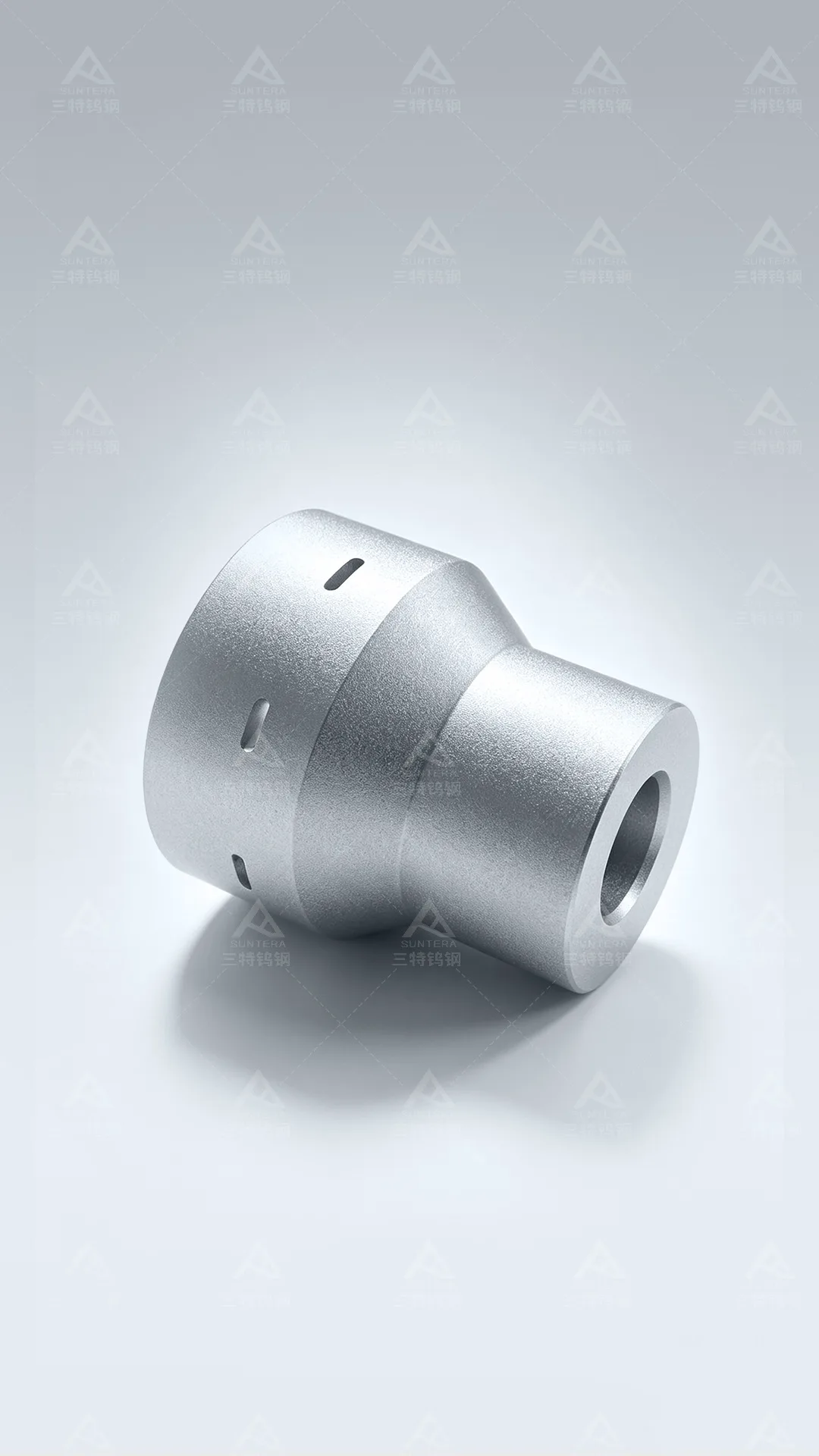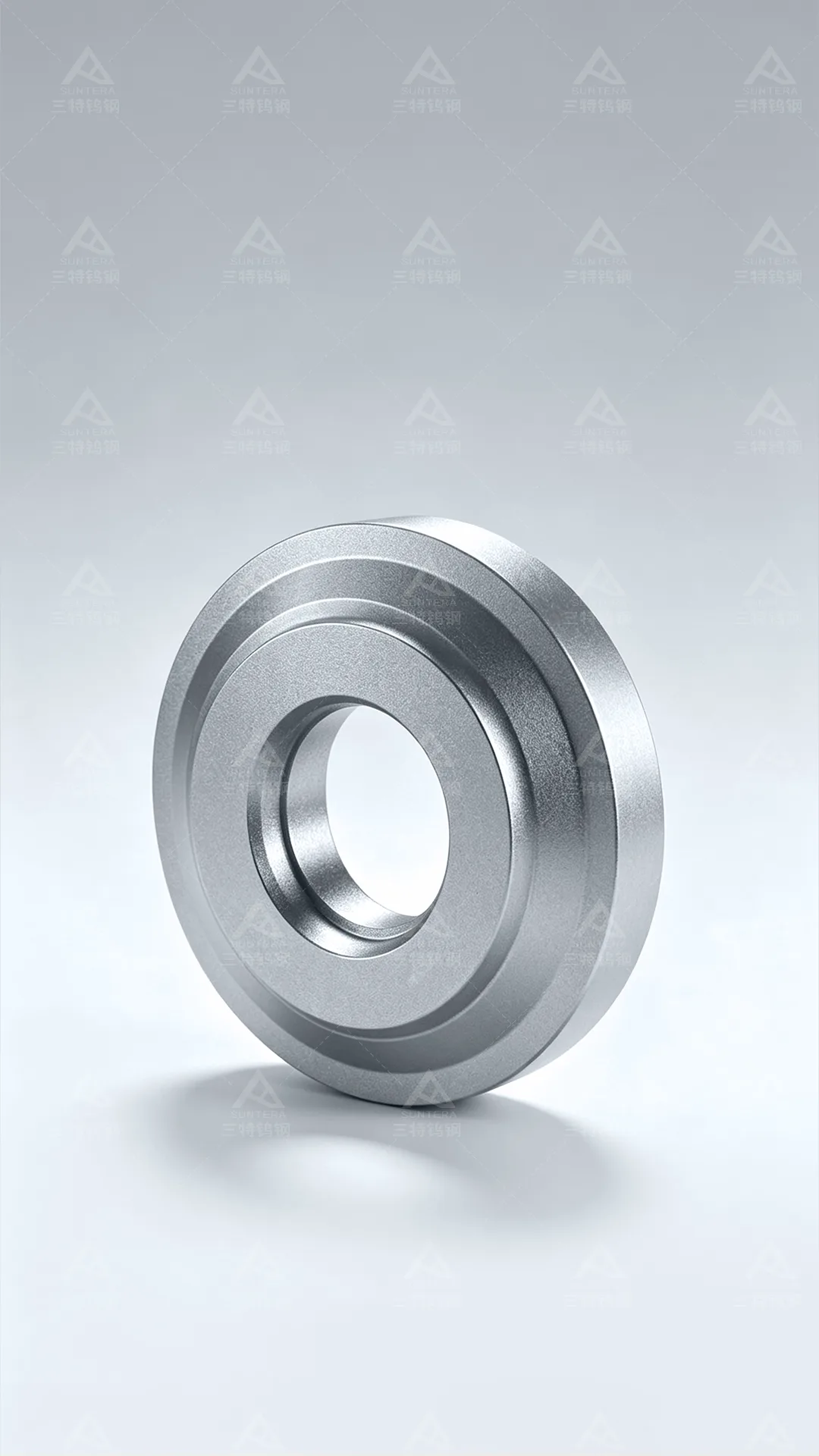
Near-net-shape preforms are molded close to your final component geometry, drastically reducing the amount of material that needs to be removed. This saves significant wire EDM and grinding hours, reduces expensive diamond wheel wear, shortens overall lead times, and minimizes material waste for complex upper punch and die core designs.
Powder compaction subjects tooling to continuous high pressure, cyclic shock, and severe particle abrasion. Premium carbide blanks deliver consistent structural density and superior wear resistance, preventing premature die failure, edge chipping, or wall dilation. This ensures stable dimensional accuracy across long production runs, reducing press downtime and scrap rates.
Yes. We manufacture custom blanks tailored directly to your engineering drawings, CAD models, or sample specifications. Whether you require multi-stepped upper punch geometries, specialized internal cavities, or specific machining allowances, preforms are custom-engineered in both material grade and shape to fit your specific tooling assembly.
While high-performance carbide preforms represent an upfront investment, they significantly extend overall mold life and reduce maintenance frequency. Fewer mold replacements mean higher press utilization, lower labor costs spent on re-tooling, and a substantially lower cost per pressed powder metallurgy part over time.
Please send your detailed request here, our team will get back to your in 12 hours. All your information will be strictly protected by us.